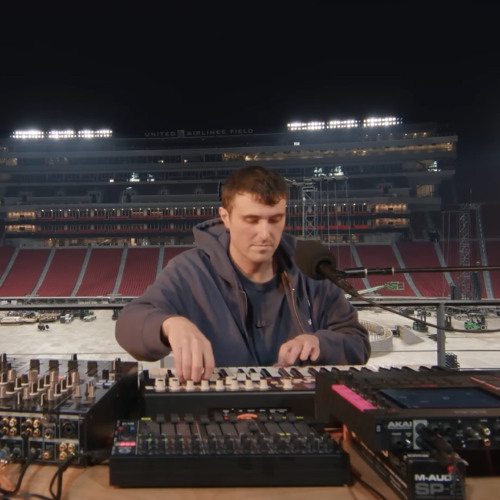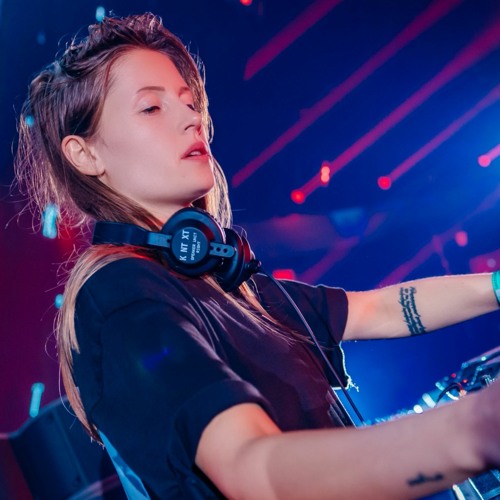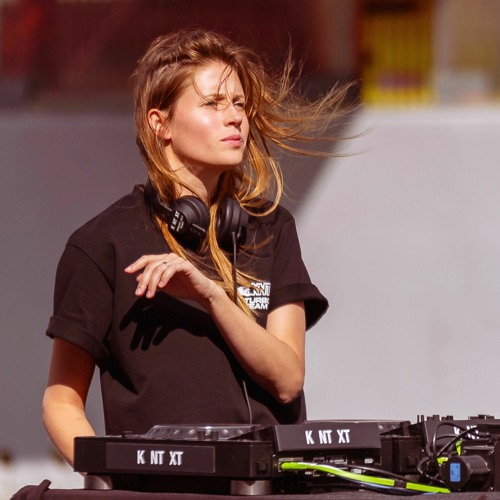




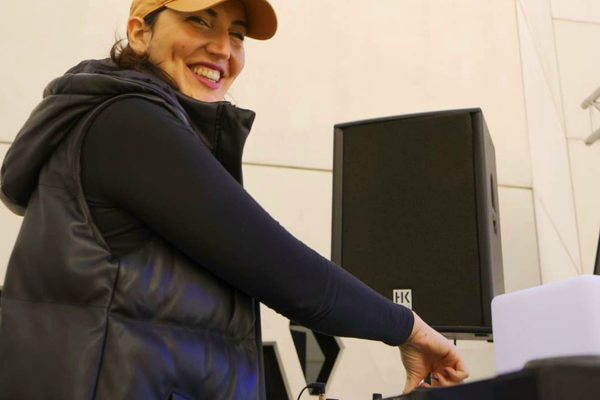
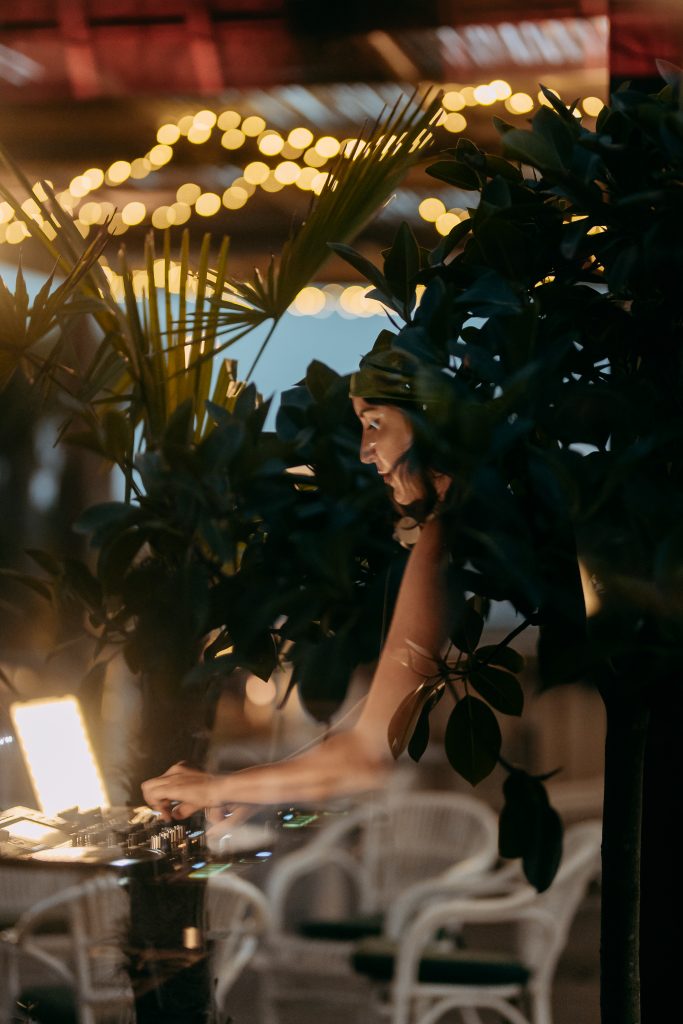
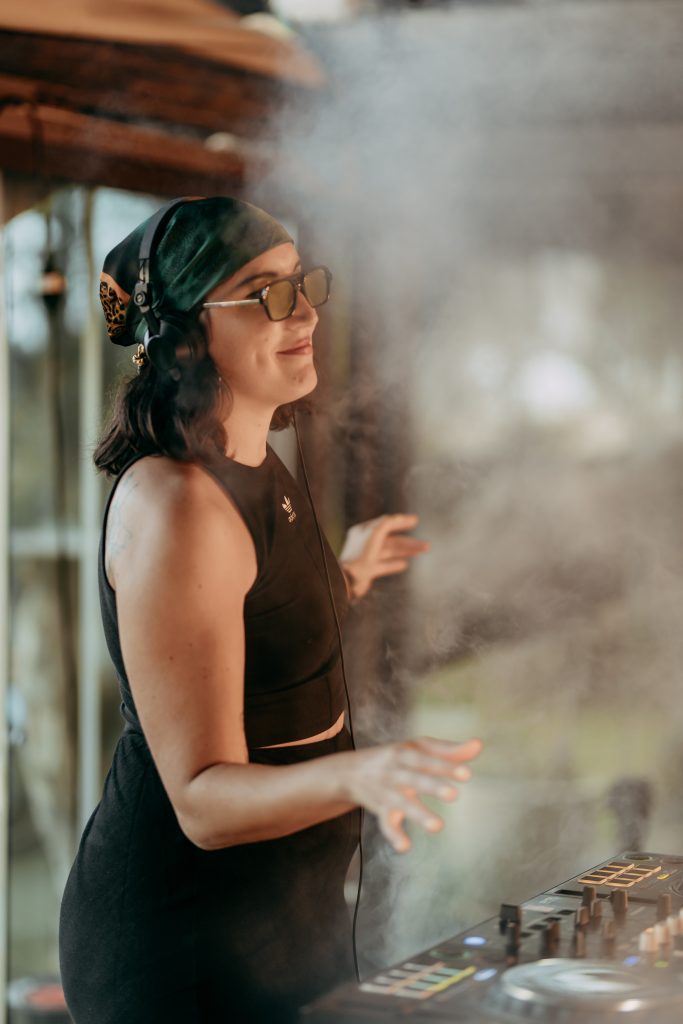
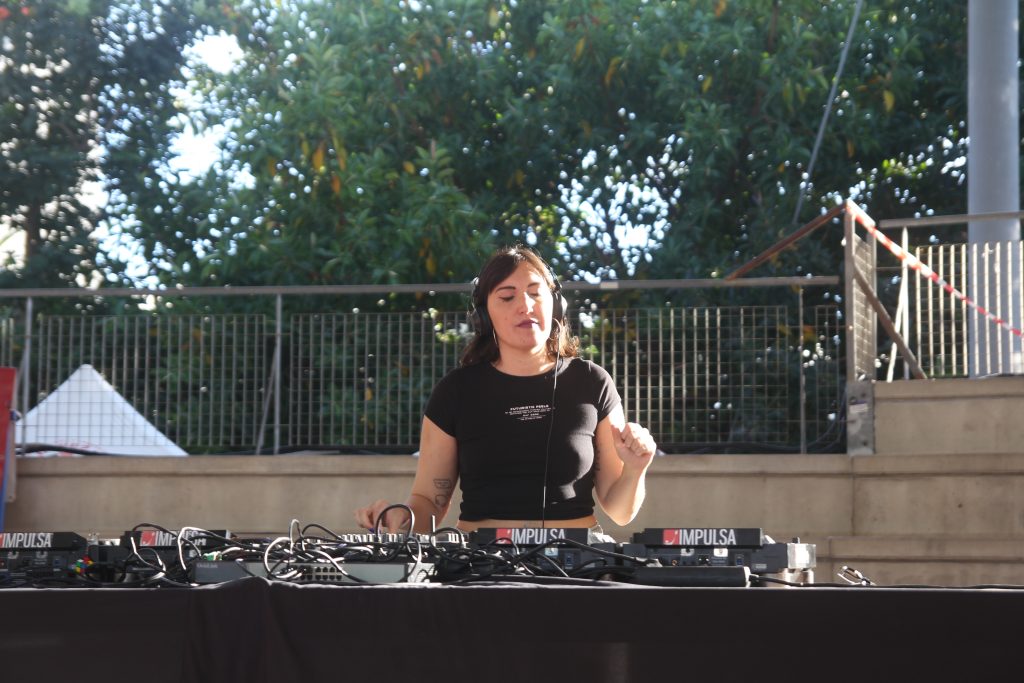


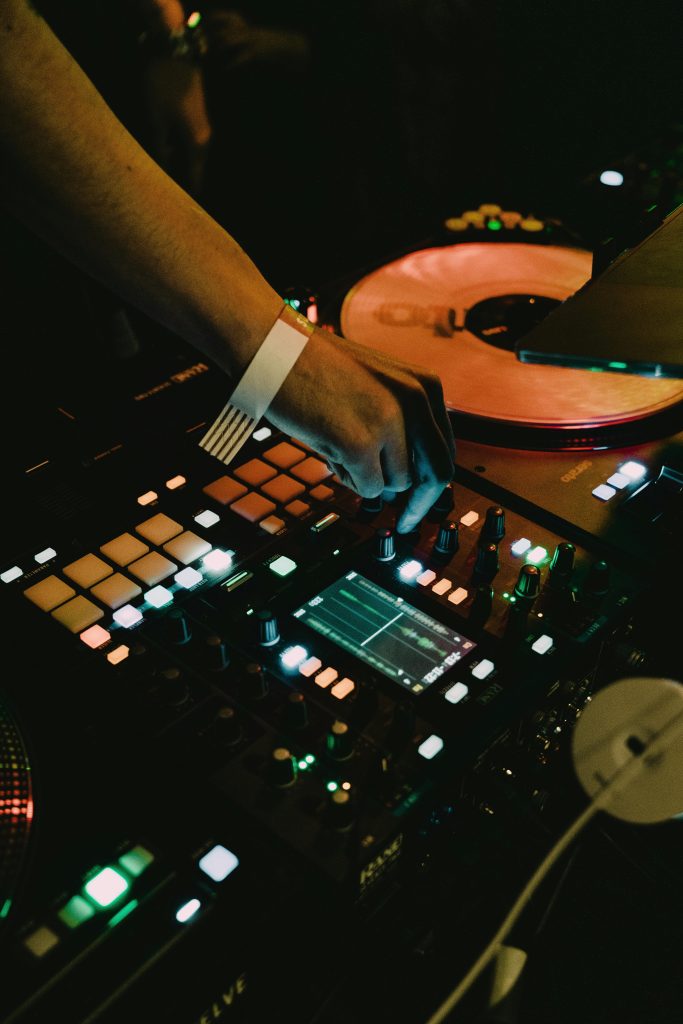
Conoce mi trayectoria profesional y sígueme en RRSS para saber dónde se celebrarán los siguientes eventos:


Conoce mi trayectoria profesional y sígueme en RRSS para saber dónde se celebrarán los siguientes eventos:


Hotel Only You

Feria municipal de Bormujos

La Sala 2

Feria municipal de Tomares

Evento privado 


ElectroLunch

Evento Privado


ElectroLunch


Evento Privado


Sala Even

MOS Studio (Exposición de Arte)

Hispano Happiness Club (Gimnasio en Triana)

Galisport (Gimnasio en El Porvenir)


Chiringuito Waikiki (Tarifa)

Jaima Meccarola (Los Caños de Meca)

Chiringuito La Marimorena (Zahara de los Atunes)

La Palapa (El Palmar)


ElectroLunch


Evento Privado

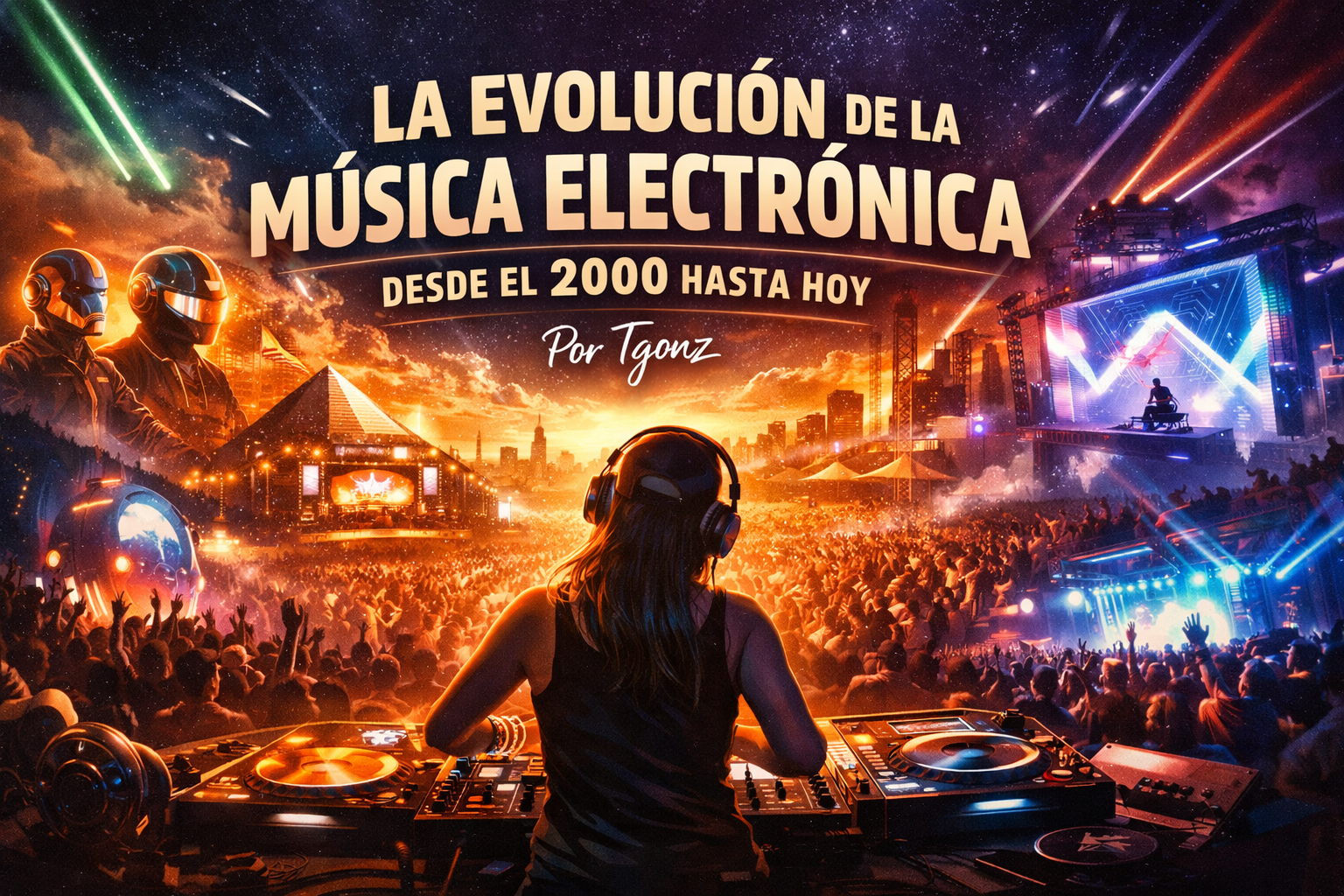
  • 🎧 La evolución de la música electrónica desde el año 2000 hasta hoy

    Por Tgonz


    Introducción: cuando cambió todo

    Si llevas tiempo escuchando música electrónica, seguro que lo has notado: no suena igual hoy que en el año 2000. Y si acabas de descubrirla, estás llegando en uno de los momentos más interesantes de su historia.

    Desde el cambio de milenio, la electrónica ha pasado de ser un lenguaje principalmente de club a convertirse en la base sonora de la música global. Hoy está en festivales, radios, videojuegos, TikTok, cine, y por supuesto en la pista de baile.

    Vamos a recorrer juntos este viaje.


    2000–2005: del club al mainstream
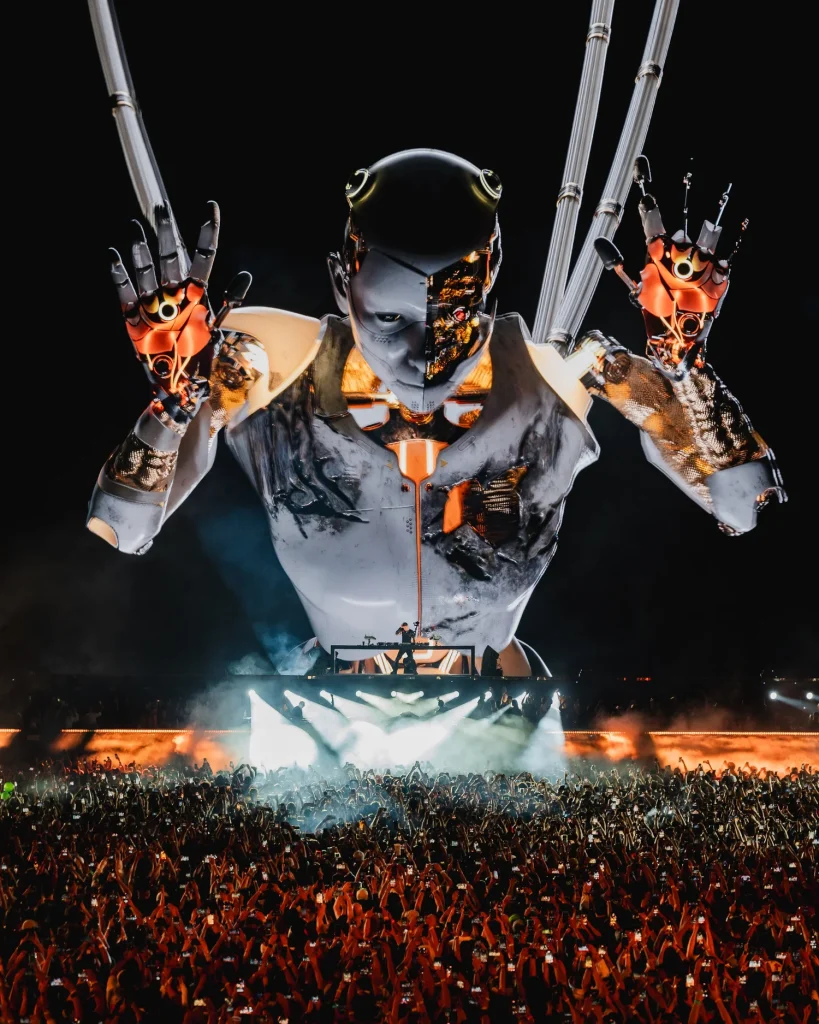
    A principios de los 2000, la música electrónica todavía era muy de club, muy de escena. Existía el mainstream, sí, pero no dominaba el panorama como hoy.

    En esta época brillaban artistas como:

    • Daft Punk
    • The Chemical Brothers
    • Faithless
    • Tiësto

    El sonido dominante:

    • trance emocional
    • house progresivo
    • techno melódico temprano
    • breaks electrónicos

    Era una época en la que el DJ empezaba a convertirse en artista global, no solo en selector de cabina.

    Muchos DJs actuales empezaron aquí.


    2006–2012: la explosión del EDM

    Aquí ocurrió algo enorme.

    La electrónica dejó de ser solo clubbing y pasó a ser festival culture global.

    Artistas clave:

    • Swedish House Mafia
    • Avicii
    • Deadmau5
    • Calvin Harris

    Sonidos característicos:

    • drops enormes
    • builds épicos
    • melodías fáciles de recordar
    • sets diseñados para audiencias gigantes

    Festivales como Tomorrowland o Ultra cambiaron la percepción del DJ:

    👉 el DJ pasó de cabina oscura a escenario principal

    Fue una revolución.


    2013–2018: el regreso del groove y la identidad

    Después de la saturación del EDM, la escena reaccionó.

    Volvió el interés por:

    • el underground
    • el groove
    • el storytelling en sets
    • la identidad sonora personal

    Destacaron artistas como:

    • Solomun
    • Tale of Us
    • Nina Kraviz
    • Peggy Gou

    Aquí empezó a crecer mucho el:

    • melodic techno
    • deep house moderno
    • techno emocional
    • house minimal elegante

    Los sets volvieron a ser viajes musicales, no solo explosiones de energía.

    Y eso cambió la pista otra vez.


    2019–hoy: diversidad, emoción y tecnología

    Ahora mismo estamos viviendo una de las etapas más interesantes.

    ¿Por qué?

    Porque conviven muchos mundos a la vez:

    Melodic techno visual
    Afro house elegante
    Hard techno potente
    House orgánico
    Live performance híbrido

    Artistas que definen esta etapa:

    • Anyma
    • Fred again..
    • Charlotte de Witte
    • Keinemusik

    Además, ahora el show incluye:

    🎥 visuales sincronizados
    🎛 sets híbridos
    🧠 narrativa emocional
    🌍 sonido global mezclado con raíces locales

    El DJ moderno no solo mezcla.

    Cuenta historias.


    ¿Y ahora hacia dónde vamos?

    La electrónica ya no es un género.

    Es un idioma musical.

    Probablemente veremos:

    • más shows audiovisuales
    • más sets híbridos
    • más influencia africana y latina
    • más identidad artística personal
    • más conexión emocional con el público

    Y eso es lo bonito.

    Porque la música electrónica sigue cambiando… pero la pista siempre sigue siendo el centro.

    Nos vemos ahí. 🎚️🔥

  • The Future of Digital Marketing: Trends Every Business Should Embrace

    Lorem ipsum dolor sit amet, consectetur adipiscing elit, sed do eiusmod tempor incididunt ut labore et dolore magna aliqua. Ut enim ad minim veniam, quis nostrud exercitation ullamco laboris nisi ut aliquip ex ea commodo consequat. Duis aute irure dolor in reprehenderit in voluptate velit esse cillum dolore eu fugiat nulla pariatur. Excepteur sint occaecat cupidatat non proident, sunt in culpa qui officia deserunt mollit anim id est laborum.

    Lorem ipsum, or lipsum as it is sometimes known, is dummy text used in laying out print, graphic or web designs. The passage is attributed to an unknown typesetter in the 15th century who is thought to have scrambled parts of Cicero’s De Finibus Bonorum et Malorum for use in a type specimen book. It usually begins with:

    “Lorem ipsum dolor sit amet, consectetur adipiscing elit, sed do eiusmod tempor incididunt ut labore et dolore magna aliqua.”

    The purpose of lorem ipsum is to create a natural looking block of text (sentence, paragraph, page, etc.) that doesn’t distract from the layout. A practice not without controversy, laying out pages with meaningless filler text can be very useful when the focus is meant to be on design, not content.

    The passage experienced a surge in popularity during the 1960s when Letraset used it on their dry-transfer sheets, and again during the 90s as desktop publishers bundled the text with their software. Today it’s seen all around the web; on templates, websites, and stock designs. Use our generator to get your own, or read on for the authoritative history of lorem ipsum.

    Richard McClintock, a Latin scholar from Hampden-Sydney College, is credited with discovering the source behind the ubiquitous filler text. In seeing a sample of lorem ipsum, his interest was piqued by consectetur—a genuine, albeit rare, Latin word. Consulting a Latin dictionary led McClintock to a passage from De Finibus Bonorum et Malorum (“On the Extremes of Good and Evil”), a first-century B.C. text from the Roman philosopher Cicero.

  • Unlocking Growth: Top Digital Marketing Strategies for 2024

    Lorem ipsum dolor sit amet, consectetur adipiscing elit, sed do eiusmod tempor incididunt ut labore et dolore magna aliqua. Ut enim ad minim veniam, quis nostrud exercitation ullamco laboris nisi ut aliquip ex ea commodo consequat. Duis aute irure dolor in reprehenderit in voluptate velit esse cillum dolore eu fugiat nulla pariatur. Excepteur sint occaecat cupidatat non proident, sunt in culpa qui officia deserunt mollit anim id est laborum.

    Lorem ipsum, or lipsum as it is sometimes known, is dummy text used in laying out print, graphic or web designs. The passage is attributed to an unknown typesetter in the 15th century who is thought to have scrambled parts of Cicero’s De Finibus Bonorum et Malorum for use in a type specimen book. It usually begins with:

    “Lorem ipsum dolor sit amet, consectetur adipiscing elit, sed do eiusmod tempor incididunt ut labore et dolore magna aliqua.”

    The purpose of lorem ipsum is to create a natural looking block of text (sentence, paragraph, page, etc.) that doesn’t distract from the layout. A practice not without controversy, laying out pages with meaningless filler text can be very useful when the focus is meant to be on design, not content.

    The passage experienced a surge in popularity during the 1960s when Letraset used it on their dry-transfer sheets, and again during the 90s as desktop publishers bundled the text with their software. Today it’s seen all around the web; on templates, websites, and stock designs. Use our generator to get your own, or read on for the authoritative history of lorem ipsum.

    Richard McClintock, a Latin scholar from Hampden-Sydney College, is credited with discovering the source behind the ubiquitous filler text. In seeing a sample of lorem ipsum, his interest was piqued by consectetur—a genuine, albeit rare, Latin word. Consulting a Latin dictionary led McClintock to a passage from De Finibus Bonorum et Malorum (“On the Extremes of Good and Evil”), a first-century B.C. text from the Roman philosopher Cicero.

  • How to Drive Conversions with Data-Driven Digital Campaigns

    Lorem ipsum dolor sit amet, consectetur adipiscing elit, sed do eiusmod tempor incididunt ut labore et dolore magna aliqua. Ut enim ad minim veniam, quis nostrud exercitation ullamco laboris nisi ut aliquip ex ea commodo consequat. Duis aute irure dolor in reprehenderit in voluptate velit esse cillum dolore eu fugiat nulla pariatur. Excepteur sint occaecat cupidatat non proident, sunt in culpa qui officia deserunt mollit anim id est laborum.

    Lorem ipsum, or lipsum as it is sometimes known, is dummy text used in laying out print, graphic or web designs. The passage is attributed to an unknown typesetter in the 15th century who is thought to have scrambled parts of Cicero’s De Finibus Bonorum et Malorum for use in a type specimen book. It usually begins with:

    “Lorem ipsum dolor sit amet, consectetur adipiscing elit, sed do eiusmod tempor incididunt ut labore et dolore magna aliqua.”

    The purpose of lorem ipsum is to create a natural looking block of text (sentence, paragraph, page, etc.) that doesn’t distract from the layout. A practice not without controversy, laying out pages with meaningless filler text can be very useful when the focus is meant to be on design, not content.

    The passage experienced a surge in popularity during the 1960s when Letraset used it on their dry-transfer sheets, and again during the 90s as desktop publishers bundled the text with their software. Today it’s seen all around the web; on templates, websites, and stock designs. Use our generator to get your own, or read on for the authoritative history of lorem ipsum.

    Richard McClintock, a Latin scholar from Hampden-Sydney College, is credited with discovering the source behind the ubiquitous filler text. In seeing a sample of lorem ipsum, his interest was piqued by consectetur—a genuine, albeit rare, Latin word. Consulting a Latin dictionary led McClintock to a passage from De Finibus Bonorum et Malorum (“On the Extremes of Good and Evil”), a first-century B.C. text from the Roman philosopher Cicero.

  • Technology That Lead the Future of Business to the Next Level

    Until recently, the prevailing view assumed lorem ipsum was born as a nonsense text. “It’s not Latin, though it looks like it, and it actually says nothing,” Before & After magazine answered a curious reader, “Its ‘words’ loosely approximate the frequency with which letters occur in English, which is why at a glance it looks pretty real.”

    As Cicero would put it, “Um, not so fast.”

    The placeholder text, beginning with the line “Lorem ipsum dolor sit amet, consectetur adipiscing elit”, looks like Latin because in its youth, centuries ago, it was Latin.

    Richard McClintock, a Latin scholar from Hampden-Sydney College, is creditedwith discovering the source behind the ubiquitous filler text. In seeing a sample of lorem ipsum, his interest was piqued by consectetur—a genuine, albeit rare, Latin word. Consulting a Latin dictionary led McClintock to a passage from De Finibus Bonorum et Malorum (“On the Extremes of Good and Evil”), a first-century B.C. text from the Roman philosopher Cicero.

    In particular, the garbled words of lorem ipsum bear an unmistakable resemblance to sections 1.10.32–33 of Cicero’s work, with the most notable passage excerpted below:

    “Neque porro quisquam est, qui dolorem ipsum quia dolor sit amet, consectetur, adipisci velit, sed quia non numquam eius modi tempora incidunt ut labore et dolore magnam aliquam quaerat voluptatem.”

    A 1914 English translation by Harris Rackham reads:

    “Nor is there anyone who loves or pursues or desires to obtain pain of itself, because it is pain, but occasionally circumstances occur in which toil and pain can procure him some great pleasure.”

    McClintock’s eye for detail certainly helped narrow the whereabouts of lorem ipsum’s origin, however, the “how and when” still remain something of a mystery, with competing theories and timelines.

  • Architect that inspire the whole world with their magic

    Until recently, the prevailing view assumed lorem ipsum was born as a nonsense text. “It’s not Latin, though it looks like it, and it actually says nothing,” Before & After magazine answered a curious reader, “Its ‘words’ loosely approximate the frequency with which letters occur in English, which is why at a glance it looks pretty real.”

    As Cicero would put it, “Um, not so fast.”

    The placeholder text, beginning with the line “Lorem ipsum dolor sit amet, consectetur adipiscing elit”, looks like Latin because in its youth, centuries ago, it was Latin.

    Richard McClintock, a Latin scholar from Hampden-Sydney College, is creditedwith discovering the source behind the ubiquitous filler text. In seeing a sample of lorem ipsum, his interest was piqued by consectetur—a genuine, albeit rare, Latin word. Consulting a Latin dictionary led McClintock to a passage from De Finibus Bonorum et Malorum (“On the Extremes of Good and Evil”), a first-century B.C. text from the Roman philosopher Cicero.

    In particular, the garbled words of lorem ipsum bear an unmistakable resemblance to sections 1.10.32–33 of Cicero’s work, with the most notable passage excerpted below:

    “Neque porro quisquam est, qui dolorem ipsum quia dolor sit amet, consectetur, adipisci velit, sed quia non numquam eius modi tempora incidunt ut labore et dolore magnam aliquam quaerat voluptatem.”

    A 1914 English translation by Harris Rackham reads:

    “Nor is there anyone who loves or pursues or desires to obtain pain of itself, because it is pain, but occasionally circumstances occur in which toil and pain can procure him some great pleasure.”

    McClintock’s eye for detail certainly helped narrow the whereabouts of lorem ipsum’s origin, however, the “how and when” still remain something of a mystery, with competing theories and timelines.

Sígueme en mi redes